


 Read this article in Slovak
Stories have a unique ability to transcend borders, bring people together, and open up new perspectives on the world. Participants in the Creative Voices Across Borders workshops, held in Nitra on 5–6 October 2026, discovered how creativity can serve as a common language despite cultural and linguistic differences.
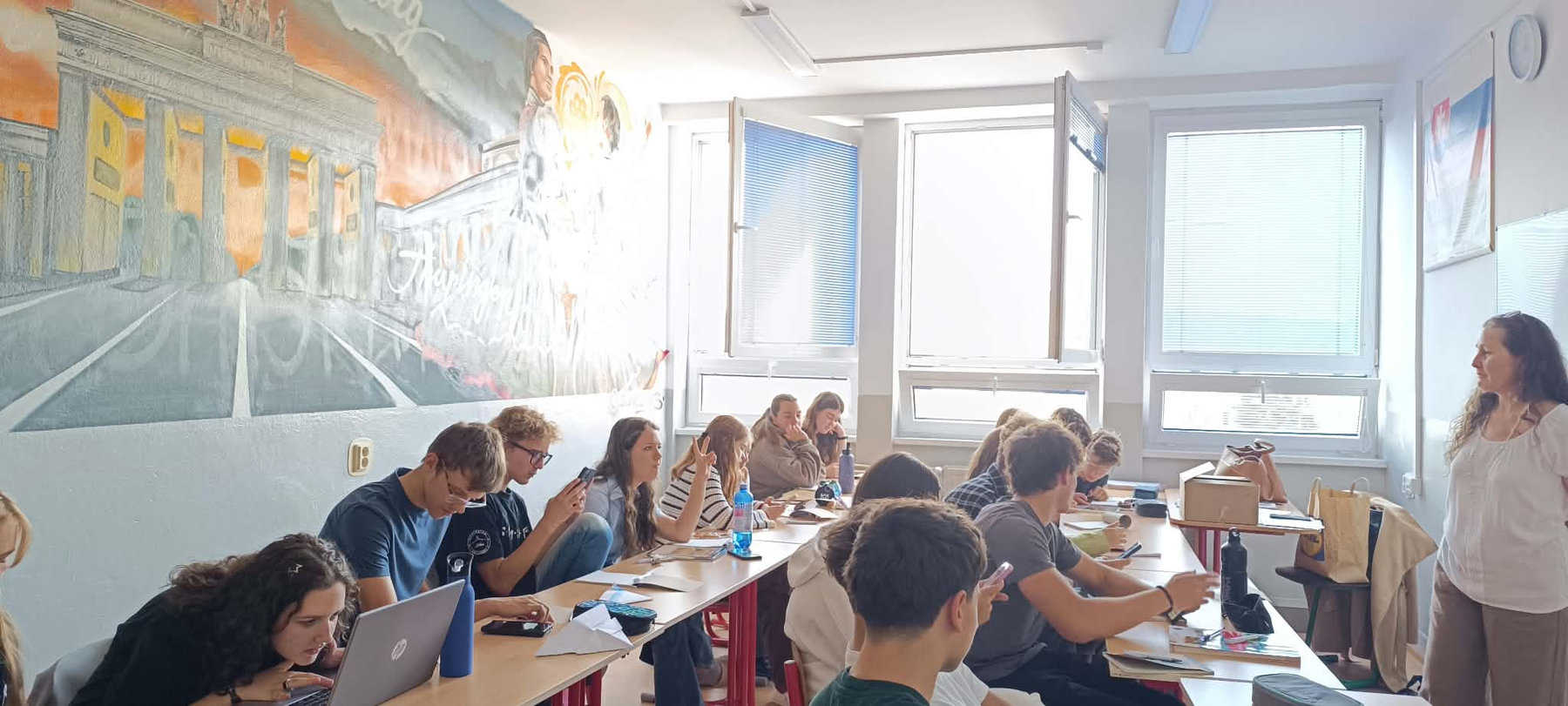
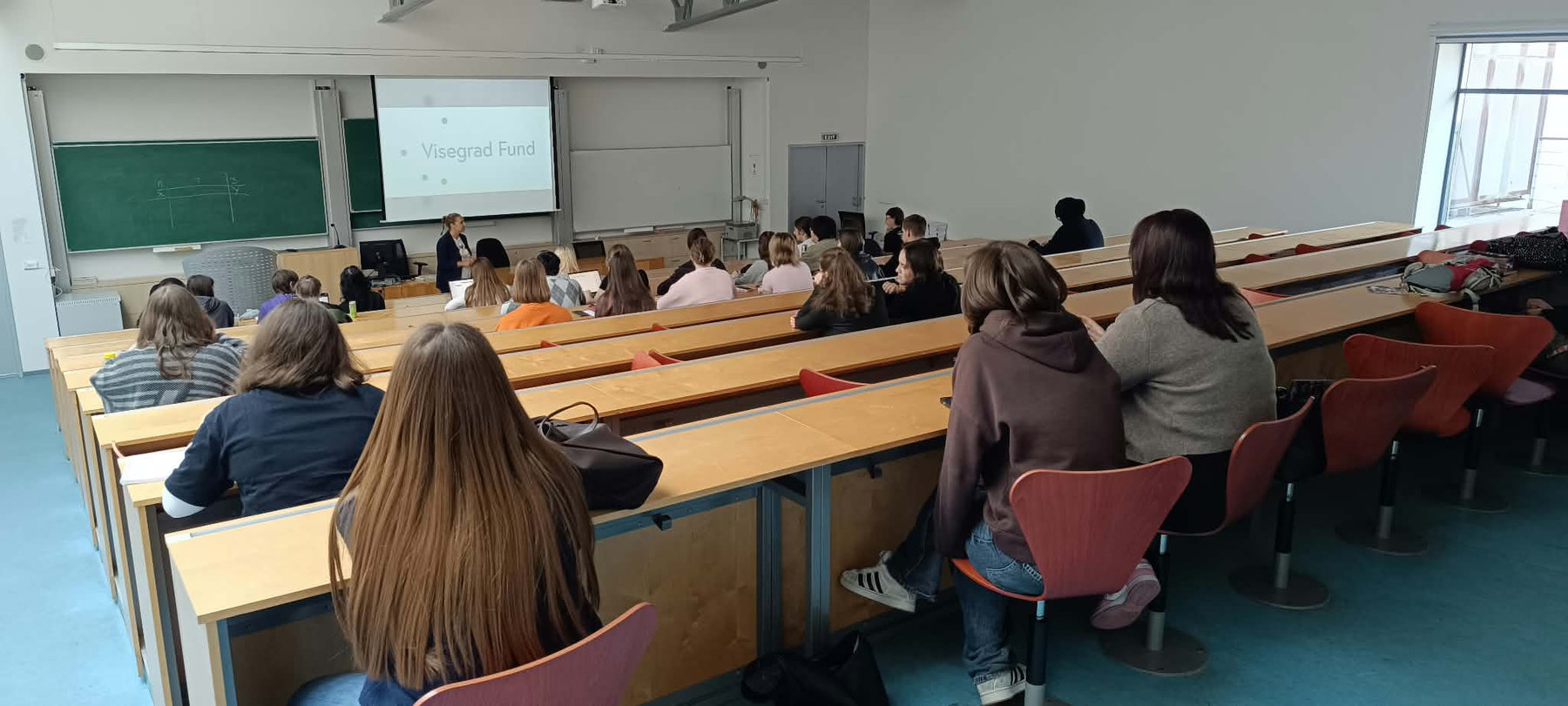
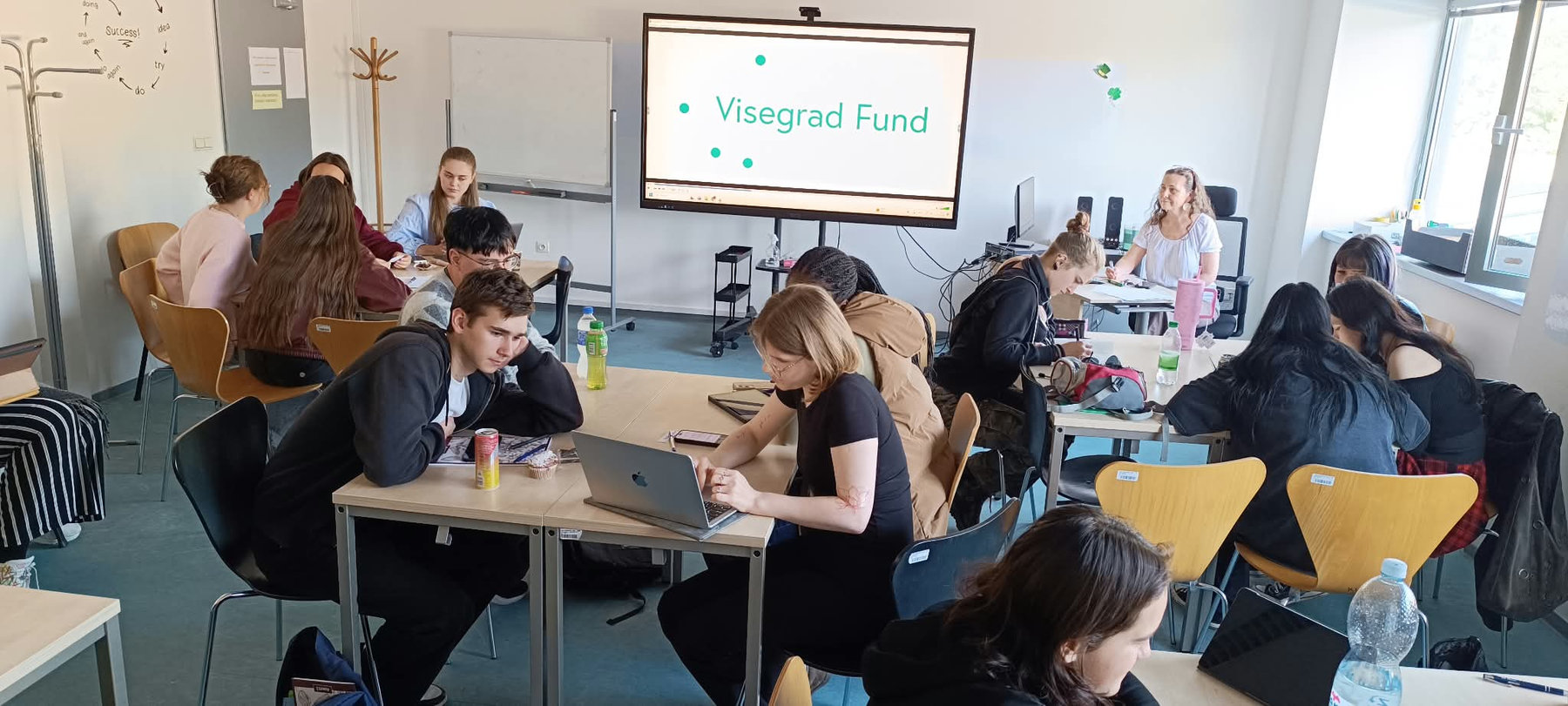
For two days, Párovská 1 Grammar School in Nitra and the Department of English Language and Culture at the Faculty of Education, Constantine the Philosopher University in Nitra, were transformed into creative spaces filled with ideas, imagination, and stories. The workshops were organised as part of the international project Creative Voices Across Borders, supported by the International Visegrad Fund.
Under the guidance of Mgr. Lenka Michelčíková, PhD., and Mgr. Beáta Ďuračková, PhD., students took on a series of unconventional creative challenges. Through creative writing, storytelling, and group activities, they explored new ways of expressing themselves, developed their imagination, and learned to see the world through the eyes of others. English was not merely a subject to be studied but, above all, a tool for communication, collaboration, and creative experimentation.
The international diversity of the participants added a special dimension to the workshops. Alongside Slovak students, young people from Ukraine, Kyrgyzstan, Spain, and Türkiye also took part in the activities. Each participant brought their own experiences, cultural background, and perspective to the creative process. This diversity became one of the most valuable aspects of the event, reflecting the increasingly multicultural character of Slovak society and demonstrating that intercultural learning no longer necessarily requires travelling abroad.
The workshops also marked the beginning of a broader international exchange among students from the project’s partner countries. Through the digital platform Padlet, participants began making connections, introducing themselves, and sharing their ideas in a common online space that extends beyond the classroom. The project’s international collaborative activities will continue in Poland in December 2026, offering students further opportunities to develop their creativity, strengthen intercultural connections, and engage in joint creative tasks.
The project thus embodies one of the fundamental principles of Visegrad cooperation: bringing people together, fostering mutual understanding, and creating new opportunities for collaboration across borders.

The project is co-financed by the governments of Czechia, Hungary, Poland and Slovakia through Visegrad Grants from the International Visegrad Fund. The mission of the Fund is to advance ideas for sustainable regional cooperation in Central Europe.
Text: Mgr. Lenka Michelčíková, PhD.
Photo: Mgr. Beáta Ďuračková, PhD.
Related links: Creative Voices Across Borders project